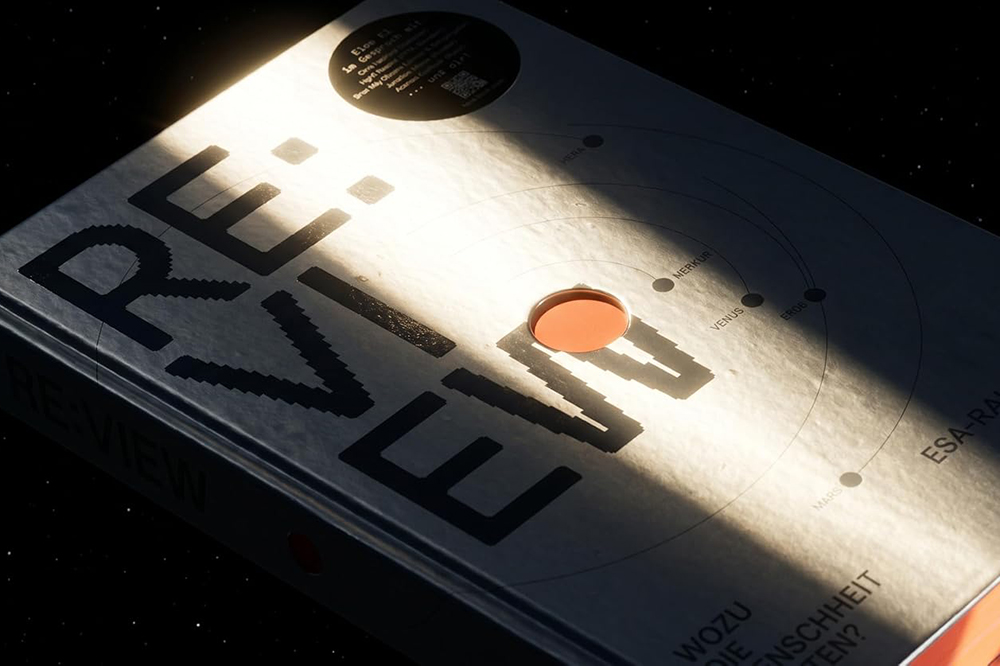
The U.S.-based company GRU Space describes on its website a project called GRU (Galactic Resource Utilization), which aims to establish a series of permanent structures on the Moon. The planned centerpiece of the initiative is a hotel, the “First Lunar Hotel”. The project does not present itself as conventional space tourism – likely also to avoid related criticism – but rather as an early phase of a long-term human presence beyond Earth. GRU targets a small group of participants who are willing to become involved in the construction process at an early stage. The process begins with an application procedure that requires a non-refundable fee. If accepted into the program, a substantial deposit is required, which will later be credited toward the total cost. Final pricing has not yet been set but is expected to exceed 10 million U.S. dollars. In addition, medical, personal, and financial screenings are planned. Applications are to be reviewed starting in 2026, with an initial lunar mission for technical preparation scheduled for 2029. From 2031 onward, habitats such as the Lunar Cave Base are to be installed and training activities are to begin. Subsequently, the first hotel on the Moon is expected to begin operations – according to the timeline on the website, as early as 2032. In illustrations, the structure oscillates between ancient temples, Palladian villas, and Swiss grand hotels as imagined by American politicians. Whether the project will materialize remains uncertain, not only because of the high upfront payment required, but also due to the technical challenges and environmental implications. Further information is available at www.gru.space/reserve (Image: Lunar Cave Base, based on an illustration by GRU Space, generated with GPT Image).
Speaking with SPACE THEA
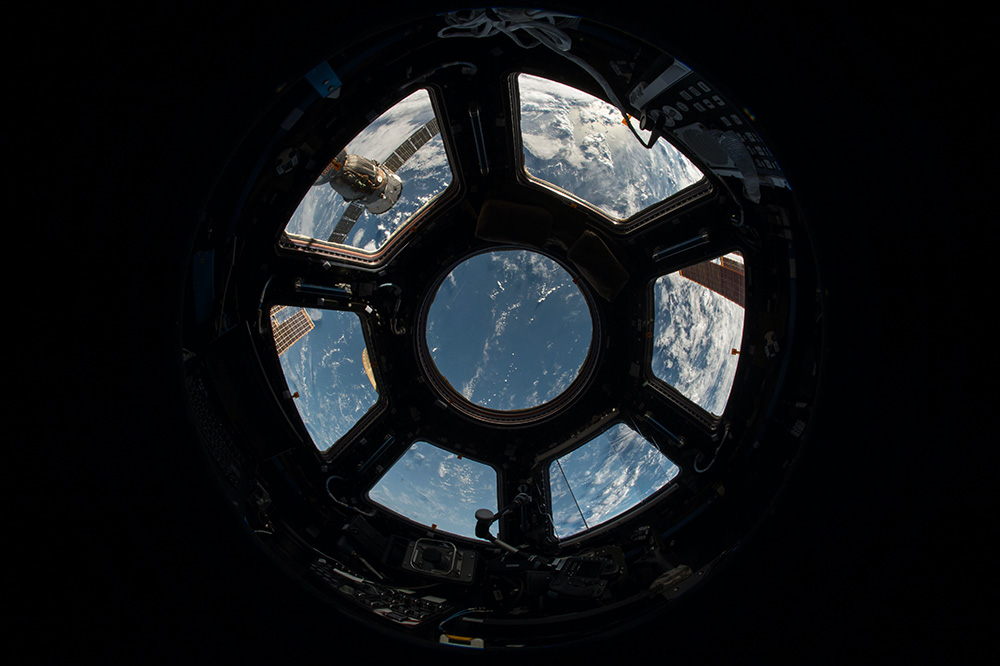
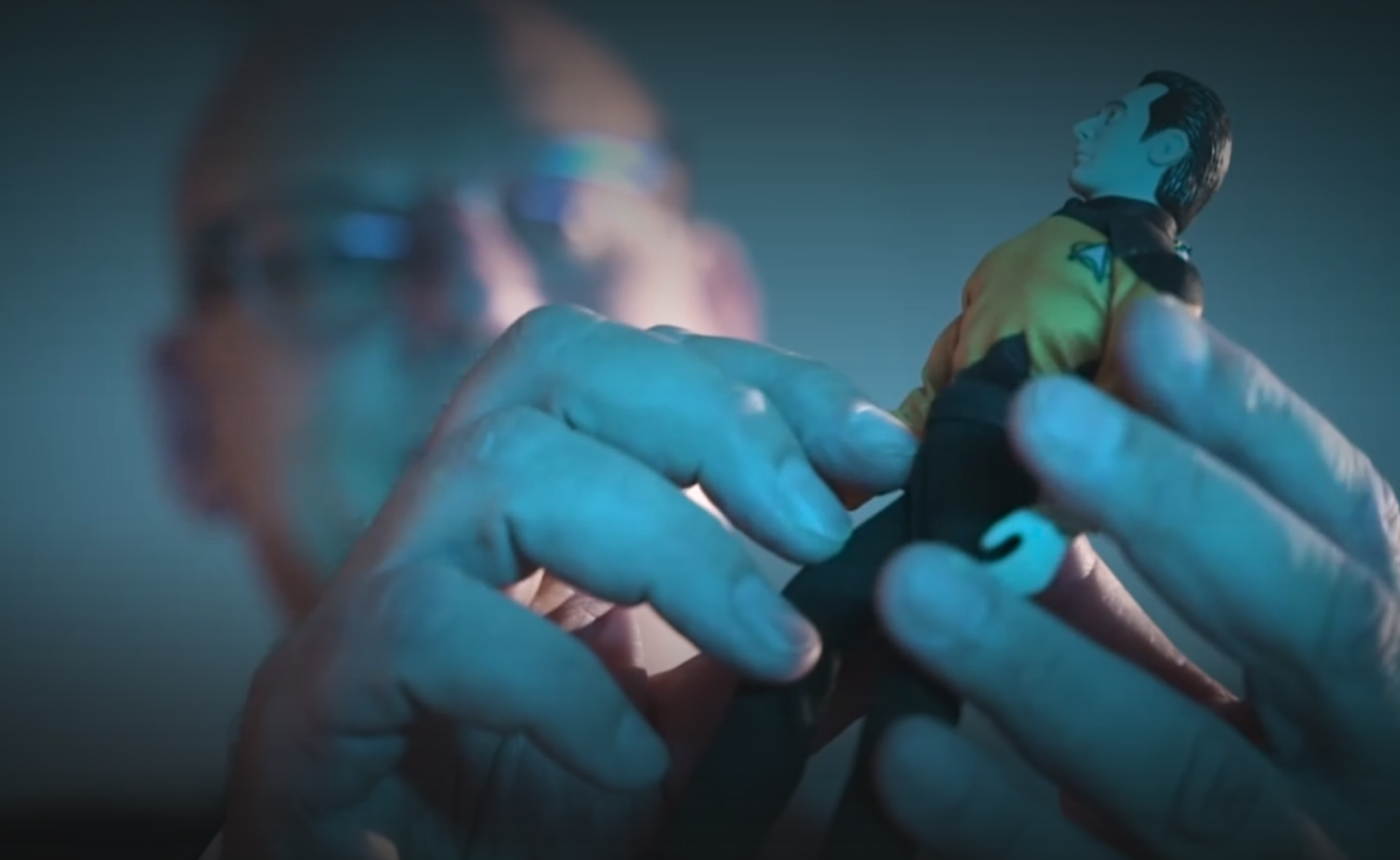
In June 2022, the paper “The SPACE THEA Project” by Martin Spathelf and Oliver Bendel was published on arxiv.org. It was presented at the AAAI 2022 Spring Symposium “How Fair is Fair? Achieving Wellbeing AI” at Stanford University and came in 2nd place in the Best Presentation Awards. From the abstract: “In some situations, no professional human contact can be available. Accordingly, one remains alone with one’s problems and fears. A manned Mars flight is certainly such a situation. A voice assistant that shows empathy and assists the astronauts could be a solution. In the SPACE THEA project, a prototype with such capabilities was developed using Google Assistant and Dialogflow Essentials. The voice assistant has a personality based on characteristics such as functional intelligence, sincerity, creativity, and emotional intelligence. It proves itself in seven different scenarios designed to represent the daily lives of astronauts, addressing operational crises and human problems. The paper describes the seven scenarios in detail, and lists technical and conceptual foundations of the voice assistant. Finally, the most important results are stated and the chapters are summarized.” The paper will additionally be published in the proceedings volume of the symposium by the end of summer. It can be downloaded via arxiv.org/abs/2206.10390.
One Small Flight for Ingenuity
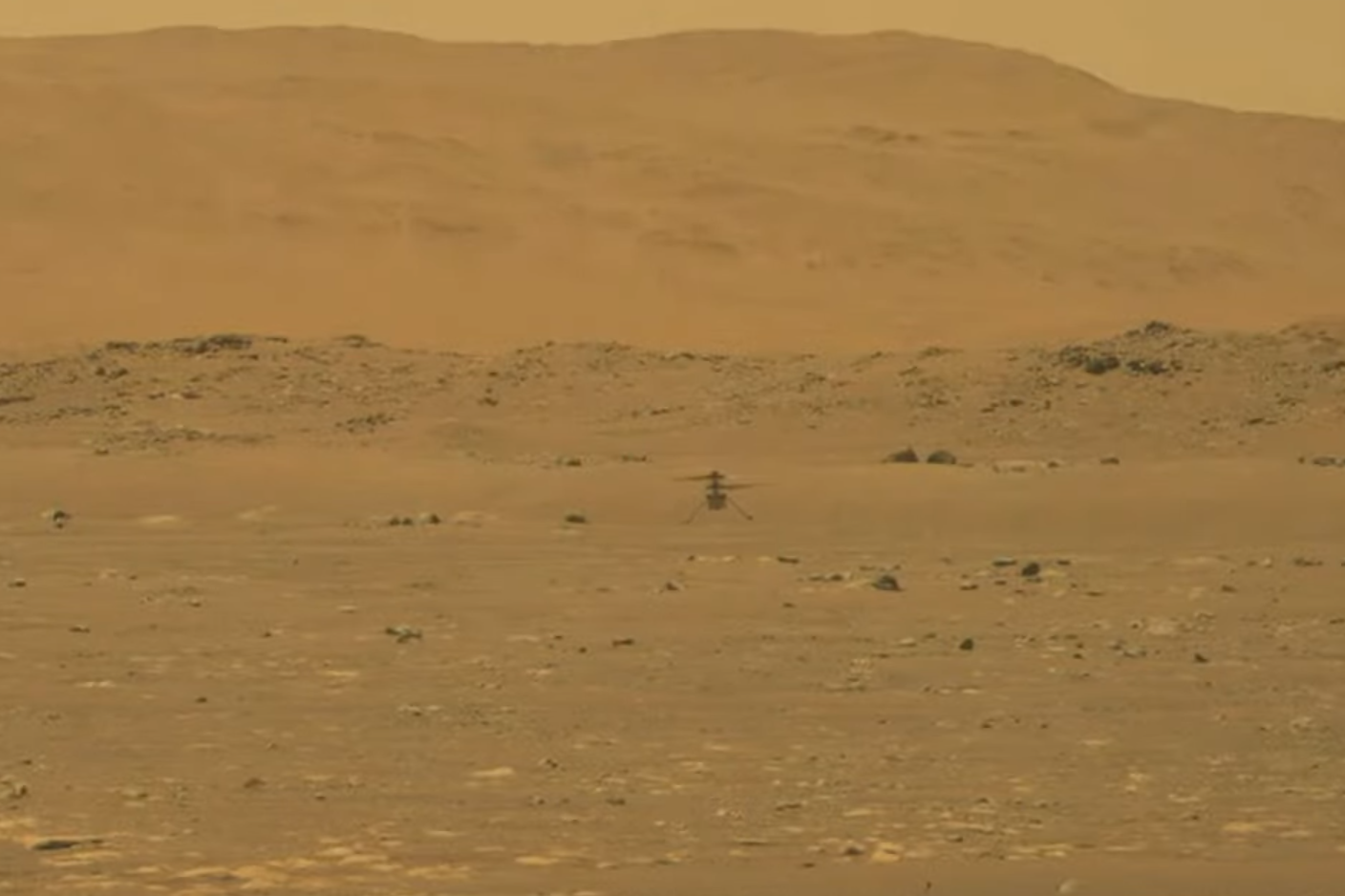
“That’s one small flight for Ingenuity – one giant journey for mankind.” This can be said after the successful experiment on 19 April 2021 with the tiny helicopter on Mars (photo: screenshot from NASA livestream). Ingenuity flew vertically into the air, took a selfie with its shadow, and landed safely back on the ground. The red planet is associated with many expectations and aspirations. At the moment, the surface is being explored in an unprecedented way. In a few years, humans are expected to travel to Mars. In doing so, they will also need advice and support. Because the personnel on Earth are far away, a voice assistant is a possible solution. SPACE THEA is a voicebot that shows empathy (but doesn’t have it, of course). Like GOODBOT and BESTBOT, she recognizes user problems – but unlike those chatbots, she has a voice. SPACE THEA will be developed until August 2021 under the supervision of Prof. Dr. Oliver Bendel at the School of Business FHNW. The project aims to cover several scenarios on the flight to Mars. However, a voicebot could also be useful on the planet itself, for example to control a tiny helicopter.