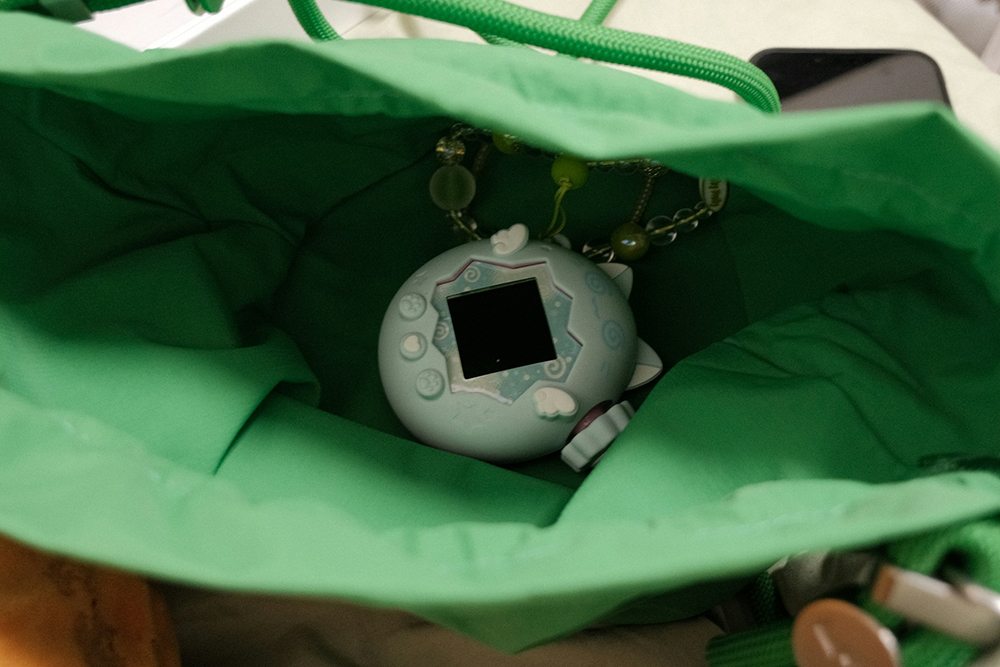
According to the article “Tamagotchi trifft KI-Agent” (“Tamagotchi Meets AI Agent”) (Heise, September 24, 2026), Meta has unveiled Muse Charm, a small wearable device designed to serve as a home for its new personal AI agent, Muse. The gadget, which is reminiscent of a Tamagotchi, can similarly be attached to a keychain or carried in a pocket. It features a screen displaying Jolly, Muse’s avatar. As Heise reports, the assistant is activated via a fingerprint sensor, while cameras are intended to allow it to perceive the user’s surroundings. The device is also expected to feature a microphone, two cameras, and 5G connectivity, although the company has yet to release full technical specifications. Mark Zuckerberg said at Meta Connect that Muse Charm is not yet fully finished and that only a small number of units have been produced so far. Nevertheless, according to Heise, Meta plans to launch the device in time for the December holiday shopping season. Pricing and regional availability have yet to be announced. With Muse Charm, Meta is entering the still-emerging field of physical AI, where products such as Humane’s AI Pin and Rabbit’s R1 have so far failed to achieve lasting success. It remains to be seen whether the company has truly been kissed by the Muse.
Kissed by the Muse?