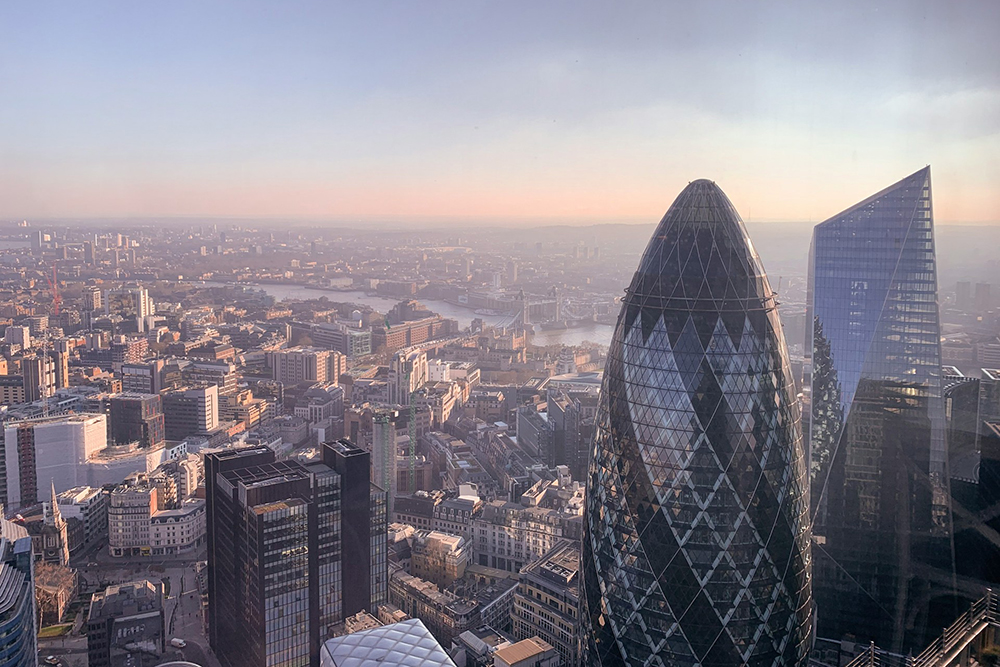
The 18th International Conference on Social Robotics (ICSR + Art 2026) will take place in London, UK, from 1–4 July 2026. ICSR is the leading international forum that brings together researchers, academics, and industry professionals from across disciplines to advance the field of social robotics. The finalists of the ICSR 2026 Grand Challenge have now been announced, showcasing an exciting and diverse range of innovative projects from researchers, artists, and interdisciplinary teams across the globe. This year’s finalists represent institutions from Europe, Asia, North America, and Australia, reflecting the international and creative spirit of the competition. The selected teams will present their work during the first day of the conference on 1 July 2026, with the results and awards to be announced on 3 July 2026. Finalists will also have the optional opportunity to demonstrate their projects during the conference. To support participation in the competition, ICSR offers a special reduced registration rate through the Grand Challenge Competition Finalists Pass, which grants access to the full conference; at least one registration per team is required, and each attendee must hold an individual registration. Further details regarding presentations and demonstrations will be communicated directly to finalists via email. For questions related to the ICSR Grand Challenge, participants may contact Prof. Laura Fiorini at laura.fiorini@unifi.it. A full list of finalists and additional information can be found at: icsr2026.uk/competition-finalists/.
ICSR Grand Challenge Finalists Announced