Goodbye, ICSR + Art 2026

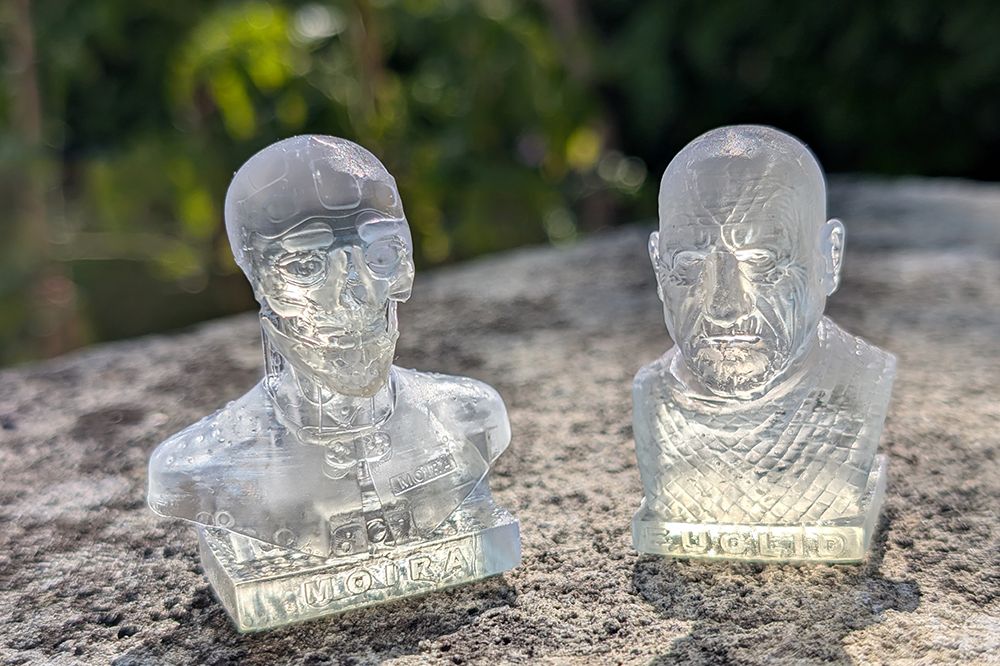
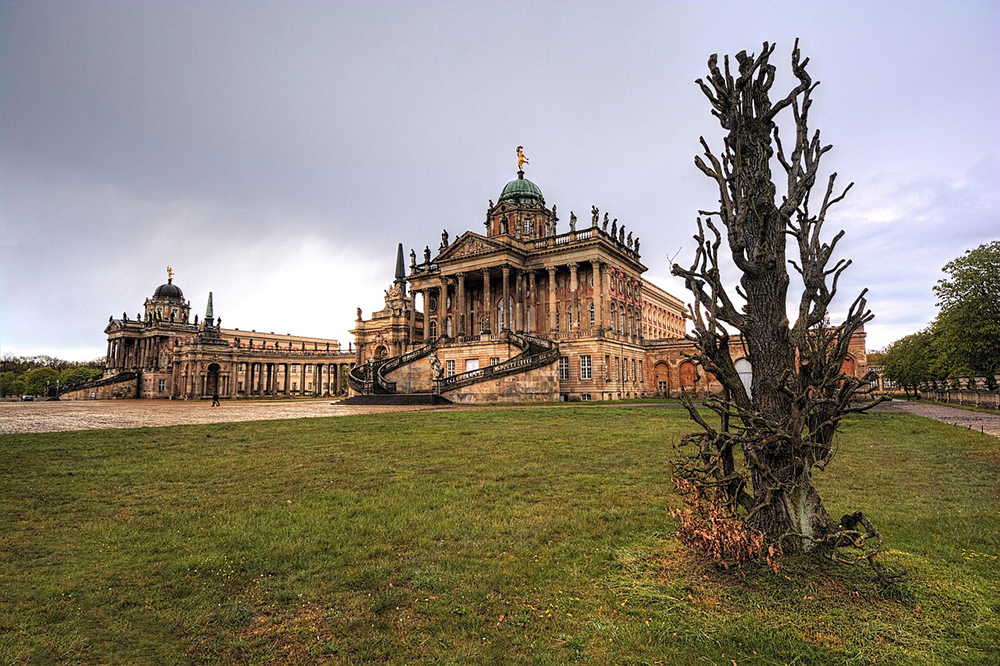
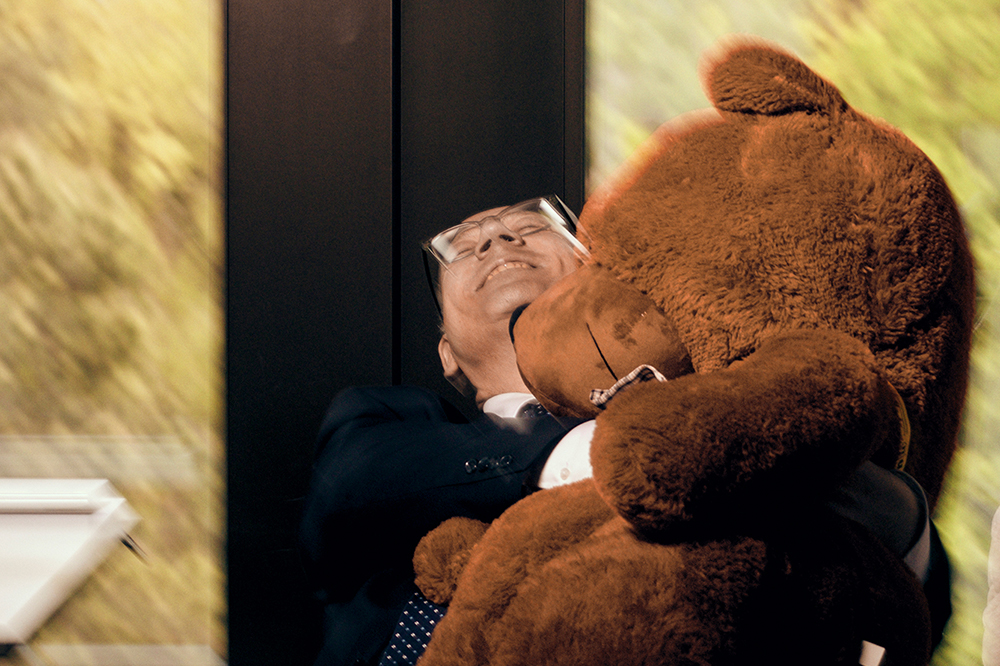
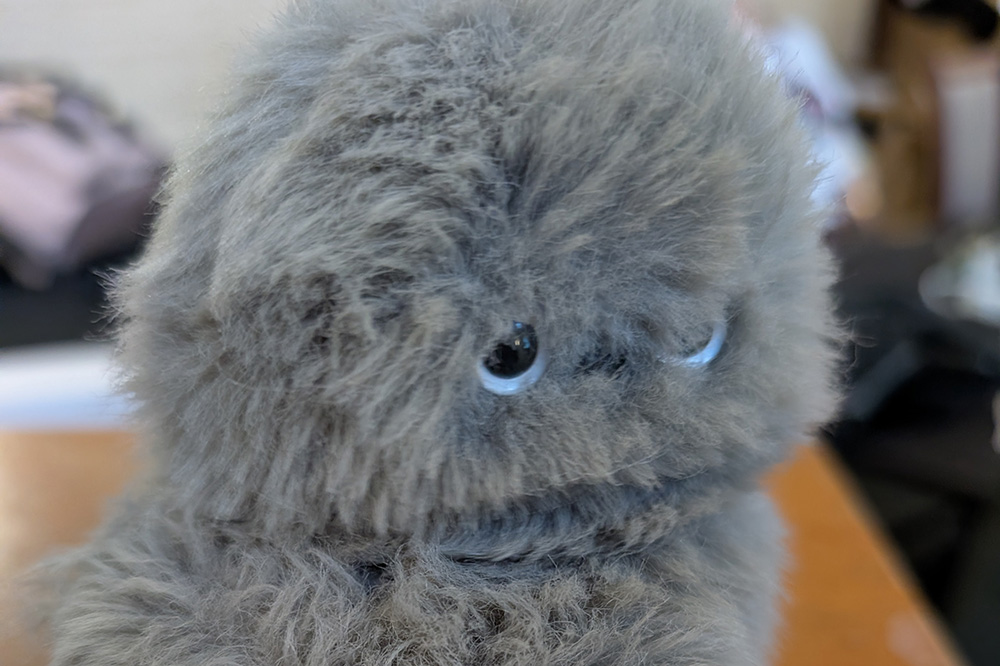
The 18th International Conference on Social Robotics (ICSR + Art 2026) took place in London from July 1–4, bringing together researchers, academics, and industry professionals from around the world to explore the latest advances in social robotics. Hosted by Hooman Samani and Saina Akhond from the University of the Arts London, the conference welcomed around 350 participants who presented their latest research in the main track and special sessions while engaging in lively discussions with both humans and robots in the Debate Room. Teams also competed in the Grand Challenge, showcasing innovative concepts and working prototypes that demonstrated the future potential of social robotics. A series of inspiring keynote presentations explored emerging technologies as well as important methodological questions shaping the field, while robot performances and a memorable robot dance featuring Silke Grabinger added an artistic dimension to the event. Throughout the conference, attendees had the opportunity to meet an impressive range of social robots, including Furhat, Ameca, Euclid, Lovot, and Mirumi. Furhat and Ameca represented highly expressive humanoid platforms capable of remarkably lifelike interactions, while Euclid attracted particular attention as an open-source humanoid robot built for only a few hundred dollars, proving that affordable hardware can compete with well-known androids such as Sophia and Erika. In contrast, Lovot and Mirumi showcased the softer side of social robotics. Mirumi, a small furry wearable companion robot, charmed visitors with its ability to cling to the handle of a handbag using its tiny arms and is expected to appear soon in pop-up stores, particularly targeting girls and women. On the third evening, after a thought-provoking panel discussion and another series of robot performances, enthusiastic participants left the illuminated Senate House inspired by several days of groundbreaking research, creative collaboration, and a shared vision of how humans and robots will shape the future together. Further information is available at icsr2026.uk.

Towards the KissMachine

The 18th International Conference on Social Robotics (ICSR + Art 2026) is currently taking place in London from July 1–4, bringing together researchers, academics, and industry professionals from around the world to discuss the latest advances in social robotics. On the second day of the conference, researchers presented their latest work during the poster session, including Oliver Bendel’s paper “Kiss Me More: Artificial Lips for Intimate Encounters”. The title is a tribute to Doja Cat’s hit “Kiss Me More”, reflecting the paper’s focus on technology-mediated intimacy. The paper introduces the concept of the KissMachine, a next-generation telekissing device with artificial lips designed to enable more intimate remote interactions while addressing the technical, social, and ethical challenges of such technology. It also pays tribute to the Kissenger, invented by Hooman Samani in 2012, one of the pioneering telekissing systems that inspired subsequent research in this field. The exchange between Bendel and Samani highlighted both the evolution of telekissing technology over the past decade and the continuing interest in human-centered approaches to social robotics. Further information is available at icsr2026.uk.

Can MLLMs Distinguish Human Laughter?

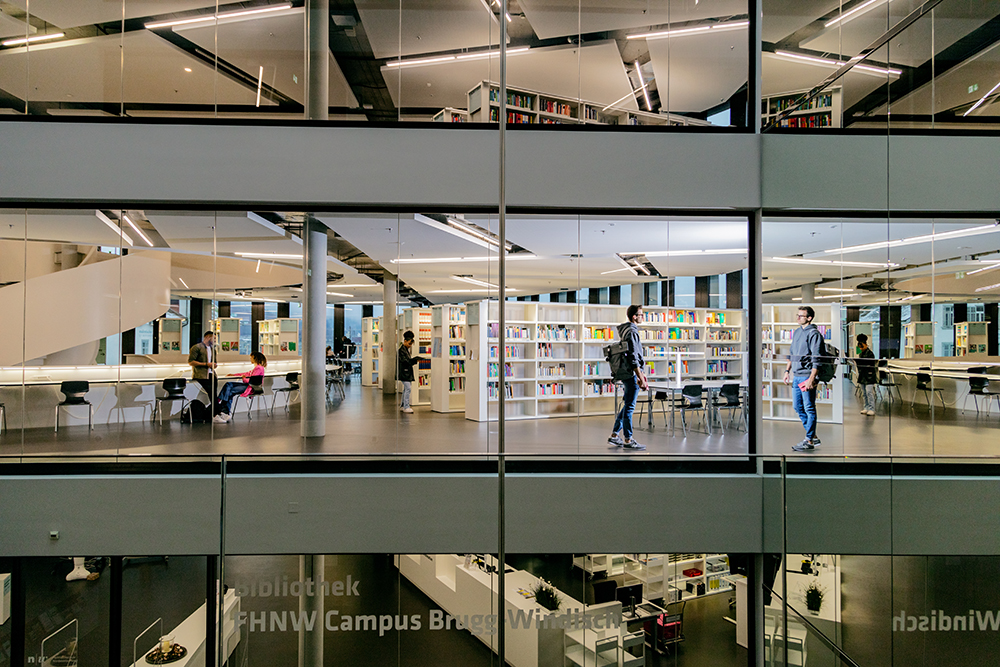
The 18th International Conference on Social Robotics (ICSR + Art 2026) is currently taking place in London from July 1–4, bringing together researchers, academics, and industry professionals from around the world to explore the latest developments in social robotics. The conference serves as an international platform for exchanging ideas on how intelligent systems can better understand, interact with, and support people in everyday life. On the second day of the conference, Sahan Hatemo, a student at the FHNW School of Computer Science, presented the paper “Reading Between the Laughs: A Human-Referenced Audio Evaluation of MLLMs for Social Robotics”, co-authored with Dr. Katharina Kühne (University of Potsdam) and Prof. Dr. Oliver Bendel (FHNW School of Business). The study investigates whether today’s leading multimodal large language models (MLLMs) can distinguish authentic from non-authentic laughter using audio signals alone. As laughter is an important social cue, the ability to recognize its authenticity could significantly improve how robots and AI systems communicate with people in social settings. The researchers found notable differences in how the evaluated AI models interpreted laughter. OpenAI models showed a clear tendency to classify most laughter as genuine, while Gemini models were generally more skeptical in their assessments. Despite these contrasting biases, several models performed significantly better than chance, with Gemini 2.5 Pro achieving the strongest overall performance. A closer analysis also revealed qualitative differences in the models’ decision-making. Less capable models appeared to rely on superficial acoustic features, such as pitch, and were more likely to classify higher-pitched laughter as less authentic. In contrast, the best-performing model seemed to focus on more sophisticated aspects of voice quality, indicating a deeper understanding of the characteristics that distinguish genuine from non-authentic laughter. The findings demonstrate the growing potential of multimodal AI for social robotics. As robots increasingly become part of everyday environments, the ability to accurately interpret subtle social signals such as laughter could play a crucial role in fostering trust, improving communication, and strengthening human-robot relationships. Further information is available at icsr2026.uk.

Mirumi at ICSR + Art 2026

The 18th International Conference on Social Robotics (ICSR + Art 2026) is currently taking place in London from July 1–4, bringing together researchers, academics, and industry professionals from around the world to discuss the latest advances in social robotics. On the second day of the conference, the CEO of Yukai Engineering introduced Mirumi, a wearable social robot designed to create small moments of emotional connection in everyday life. Covered in soft artificial fur, Mirumi clings to a bag strap with its arms and accompanies its owner, turning its head with a shy, curious expression when it hears sounds, is touched, or sometimes simply on its own. Rather than offering practical functions, it encourages spontaneous social interactions and often brings smiles to people nearby. Unlike rigid-bodied robots, Mirumi belongs to a new generation of soft robots, similar to Cupboo AI Robotic Pet, combining plush-like materials with expressive behavior. It can respond to sounds but does not understand speech or recognize words, demonstrating how simple, nonverbal interactions can strengthen human relationships. The live demonstration attracted considerable interest and highlighted the growing role of soft robotics in social robotics research. Further information is available at icsr2026.uk.

Start of the ICSR + Art 2026 in London

On July 1, 2026, the 18th International Conference on Social Robotics (ICSR + Art 2026) officially opened in London. Participants were welcomed by the General Chairs, Hooman Samani and Saina Akhond of the University of the Arts London, as well as by several robots, including the humanoid robot Ameca and the companion robot Lovot. Following registration and breakfast, the conference immediately moved into its scientific program with several parallel sessions. The Main Track Papers were presented in Conference Hall 1 (Beveridge Hall), while Special Sessions took place in Conference Hall 2 (Chancellor’s Hall). At the same time, authors of Short Papers introduced their work during the Teaser Talks in the Debate Hall (Senate Room). Held from July 1–4, 2026, ICSR is the leading international forum for researchers, academics, and industry professionals working in the field of social robotics. This year’s edition places a special emphasis on the intersection of social robotics and the arts, highlighting artistic and creative applications of robotic technologies. In addition to the technical program, the conference features the Robot Fringe Festival, the Grand Challenge, artistic performances, industry events, and numerous opportunities for networking and collaboration with leading researchers and practitioners from around the world. Further information is available at icsr2026.uk.