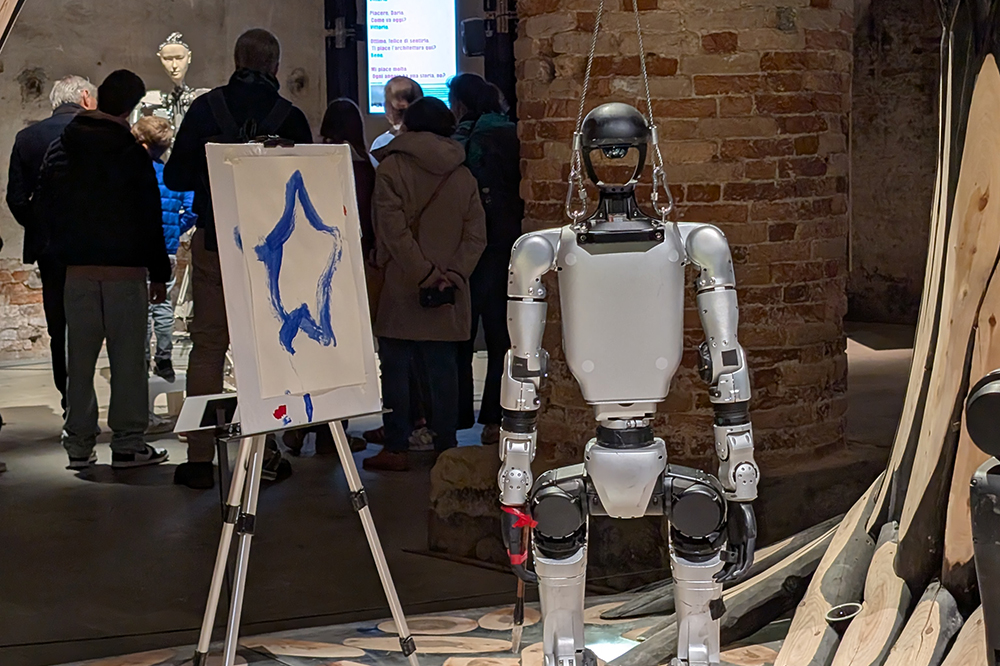
The 2026 World Humanoid Robot Games are taking place in Beijing from August 23 to 25, 2026. More than 2,000 humanoid robots from over 660 teams are competing in 30 sports events and 21 scenario-based competitions. Alongside media and robotics organizations, the Beijing municipal government is one of the co-organizers. Most of the models are general-purpose robots or are based on general-purpose robot platforms that have been modified to varying degrees. While the sports competitions are primarily about spectacle, effects, and emotion, the scenario-based competitions are intended to demonstrate whether the machines can actually perform in manufacturing, logistics, hospitality and catering, retail, household environments, offices, and rescue operations. The fluid movements in kickboxing are particularly impressive, even though the robots are remotely controlled. In tennis, the robots operate autonomously, albeit still at a modest level. The running records are spectacular as well, while slowing down and coming to a controlled stop continue to pose problems. Overall, the picture is clear: things are still somewhat shaky, much like image and video generators were a few years ago, but they are becoming steadily more stable. China has caught up rapidly in general-purpose robots and humanoid robotics more broadly in recent years and now enjoys advantages in manufacturing, infrastructure, supply chains, production volumes, and pricing. Around 80 percent of global shipments now come from China. Ultimately, the event is a demonstration of technological prowess and power.
The 2026 World Humanoid Robot Games