A Virtual Buddy for Inmates

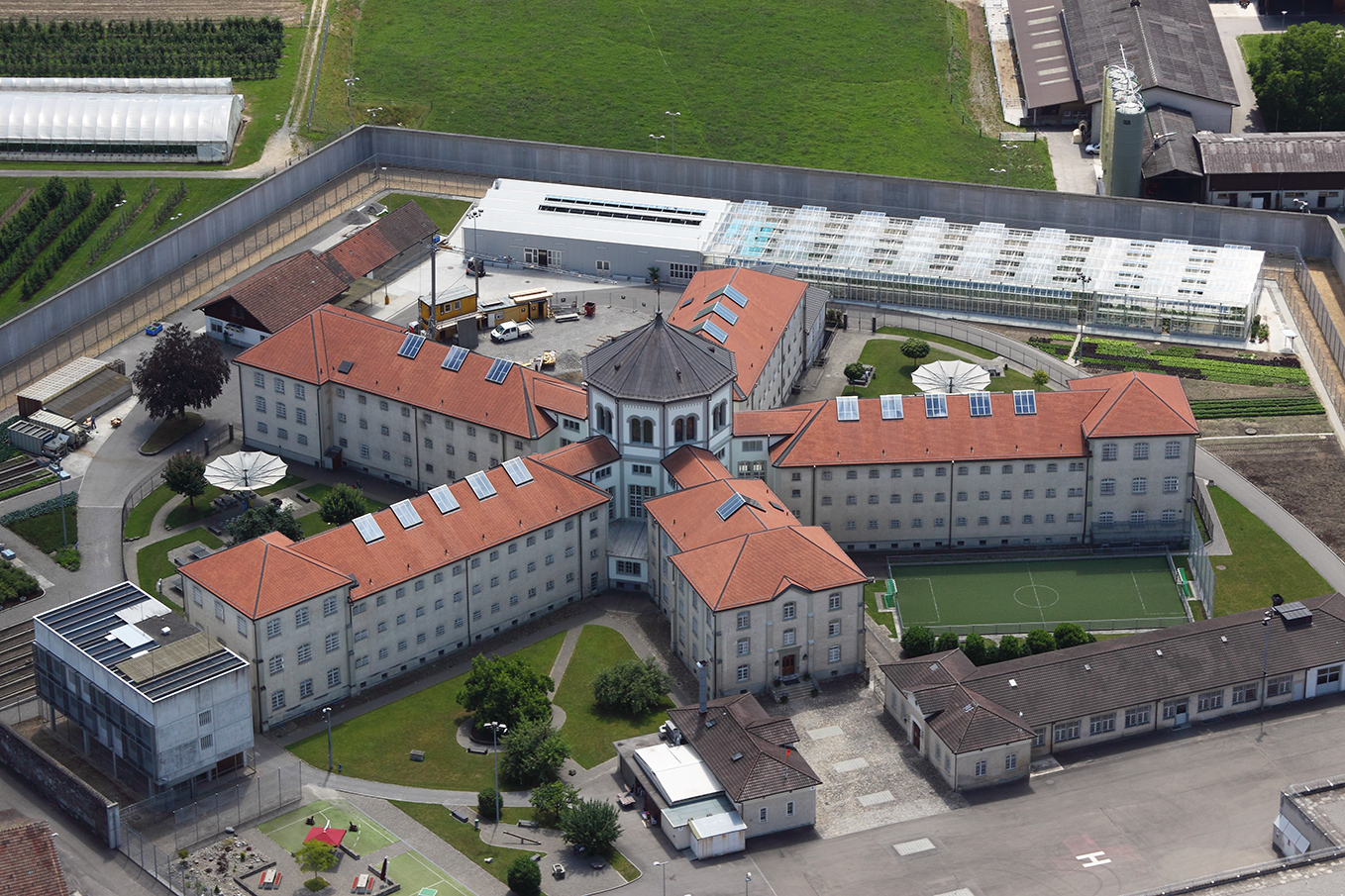
Inmates in Swiss correctional facilities have only limited access to digital technologies and little contact with the outside world. At the same time, they spend several hours each day in their cells. The project “Chatbots for Inmates” (short title) aims to address this situation: an LLM-based chatbot is intended to serve as a virtual buddy that enables conversations, reduces loneliness, and strengthens social and digital skills. The project was initiated by Tamara Siegmann, founder of the start-up SIEG – Smart Innovation Engineering Group by Siegmann and a student at the FHNW School of Business. She serves as project leader; Prof. Dr. Oliver Bendel is responsible for the project, and Stephan Vonschallen is a project collaborator. The application partner is Lenzburg Prison (JVA Lenzburg), represented by its director Marcel Ruf. The chatbot will run offline on tablets used by the inmates. In a pilot phase, the solution will initially be tested on two or three tablets and later on 30 tablets. The project will investigate whether a digital conversational partner can improve inmates’ well-being and support them in developing skills for life after release. The project began on March 1, 2026, and is supported by an innovation voucher (Innoscheck) from Innosuisse as well as by the Institute for Information Systems at the FHNW School of Business. Back in 2024, Tamara Siegmann and Oliver Bendel carried out a project on Swiss prisons, investigating whether collaborative and social robots could and should be used there. The paper can be downloaded or purchased here (Photo: Boehlich, Wikimedia, CC0 1.0 Universal).

Robots in Prison

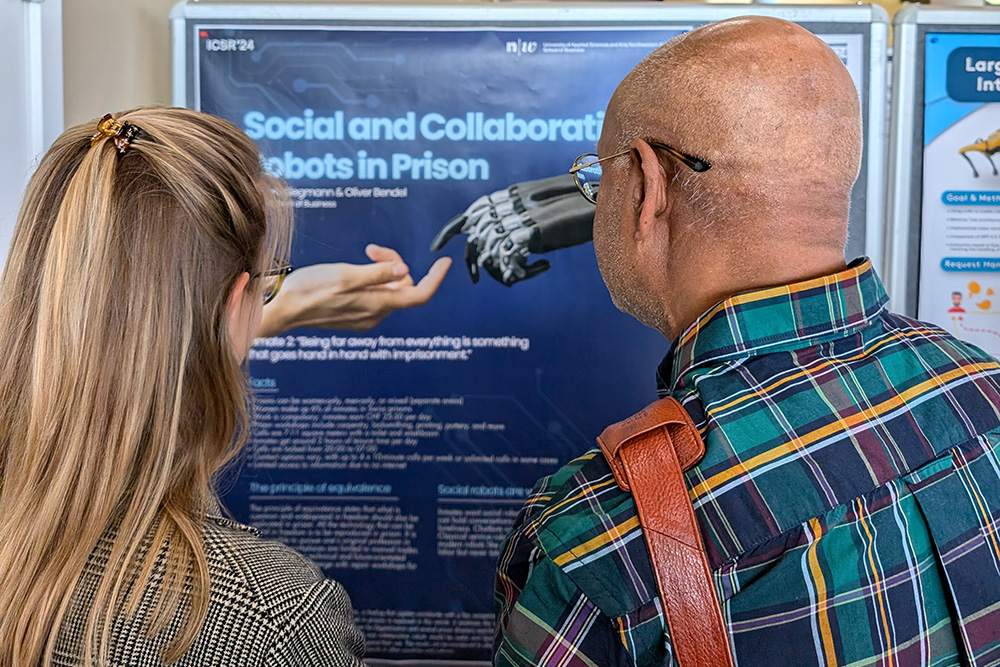
On October 22, 2024, Tamara Siegmann and Prof. Dr. Oliver Bendel (School of Business FHNW) presented their project “Robots in Prison” at the ICSR in Odense (Denmark). They investigated whether collaborative and social robots can and should be used in prisons. One result was that modern industrial robots such as cobots and classic service robots such as transportation and cleaning robots hardly create any added value. Instead, they take work away from inmates. In contrast, social robots are conceivable and useful. They bring something to imprisonment that is common in freedom. And – an important point for resocialization – they can combat the loneliness of inmates. The International Conference on Social Robotics is the most important conference for social robotics alongside Robophilosophy. The paper “Social and Collaborative Robots in Prison” will be published in a proceedings volume by Springer at the end of the year.

Can and Should We Use Robots in Prisons?

Tamara Siegmann and Prof. Dr. Oliver Bendel carried out the “Robots in Prison” project in June and July 2024. The student, who is studying business administration at the FHNW School of Business, came up with the idea after taking an elective module on social robots with Oliver Bendel. In his paper “Love Dolls and Sex Robots in Unproven and Unexplored Fields of Application”, the philosopher of technology had already made a connection between robots and prisons, but had not systematically investigated this. They did this together with the help of expert interviews with the intercantonal commissioner for digitalization, several prison directors and employees as well as inmates. The result was the paper “Social and Collaborative Robots in Prison”, which was submitted to the ICSR 2024. The International Conference on Social Robotics is the most important conference for social robotics alongside Robophilosophy. The paper was accepted in September 2024 after a revision of the methods section, which was made more transparent and extensive and linked to a directory on GitHub. This year’s conference will take place in Odense (Denmark) from October 23 to 26. Last year it was held in Doha (Qatar) and the year before last in Florence (Italy).