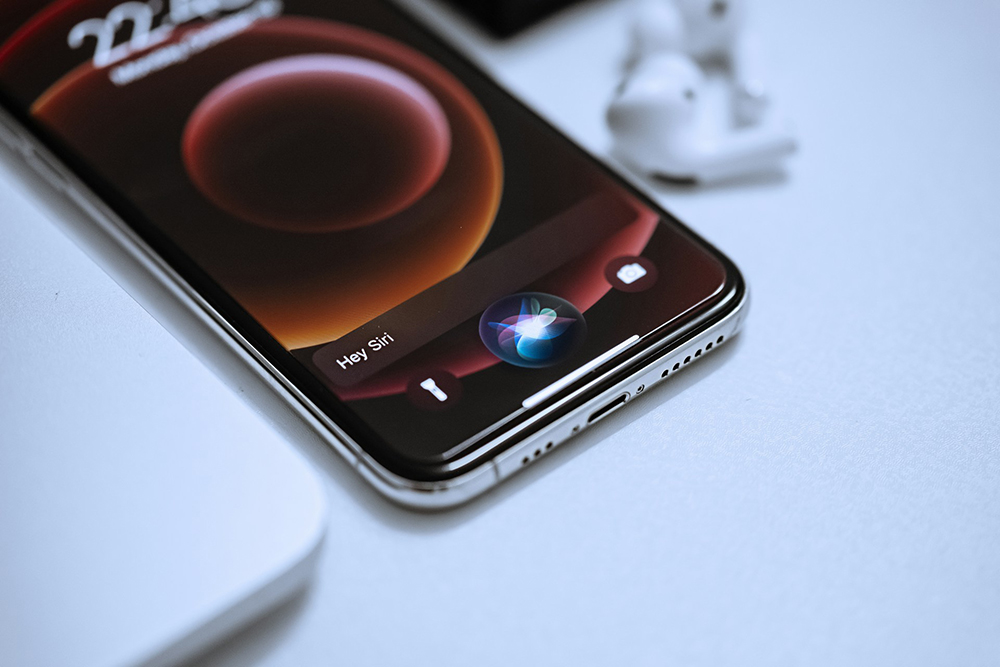
In the summer of 2026, Apple introduced a feature for Siri that allows users to adjust the voice’s speaking pace and expressivity using sliders. This makes it possible, at least to some extent, to influence how humanlike the voice assistant sounds. This development is reminiscent of work that Prof. Dr. Oliver Bendel and his students have been carrying out since 2018 as part of the morality menu (MOME). The morality menu allows users to individually configure ethically relevant characteristics and behaviors of physical robots and virtual assistants, such as chatbots and voice assistants. The machine ethics approach became particularly well known through a 2018 design study for the LADYBIRD robot vacuum cleaner (design study in 2014, prototype in 2017) and a 2022 prototype for the Lio care robot developed by F&P Robotics. Also in 2018, a design study was created for a MOME for virtual assistants such as Google Duplex, featuring a slider that allowed users to specify whether the assistant should speak with a humanlike or a machine-like voice. A morality menu (2020) was also implemented for the MOBO chatbot. Some of the configuration options can be traced back to earlier projects such as GOODBOT from 2013, which repeatedly reminded users during conversations that it was merely a machine. The results of this work were presented at conferences such as Robophilosophy and ICSR, as well as in academic articles and books on machine ethics. As early as 2012, Oliver Bendel had examined Apple’s voice assistant from linguistic and ethical perspectives in his article “Siri ist hier.” on mediensprache.net. Referring to Joseph Weizenbaum and ELIZA, he discussed the anthropomorphization of computer systems and the possibility of emotional relationships between humans and machines. He also explicitly identified Siri as a subject of machine ethics. The subsequent work on the morality menu builds on these questions and extends them by introducing concrete design options. While Apple’s new feature primarily allows users to adapt voice output to their individual preferences, the morality menu takes a broader approach: Users should be able to decide for themselves how artificial systems behave toward them or others and to what extent they imitate human characteristics. This is particularly important in view of the anthropomorphization of AI systems. A deliberately machine-like voice or repeated reminders of a system’s artificial nature can help reduce the illusion of sentience and consciousness. The new Siri feature demonstrates that design options that have been explored in machine ethics for years are now also gaining importance in commercial voice assistants.
BY OLIVER BENDEL