Elective Module “Social Robots”
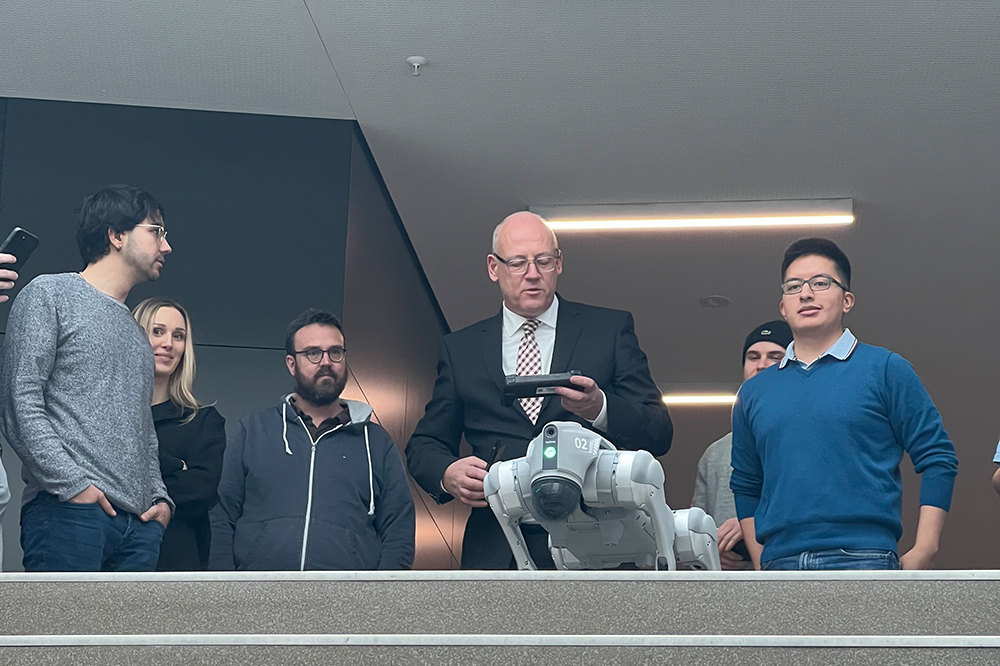
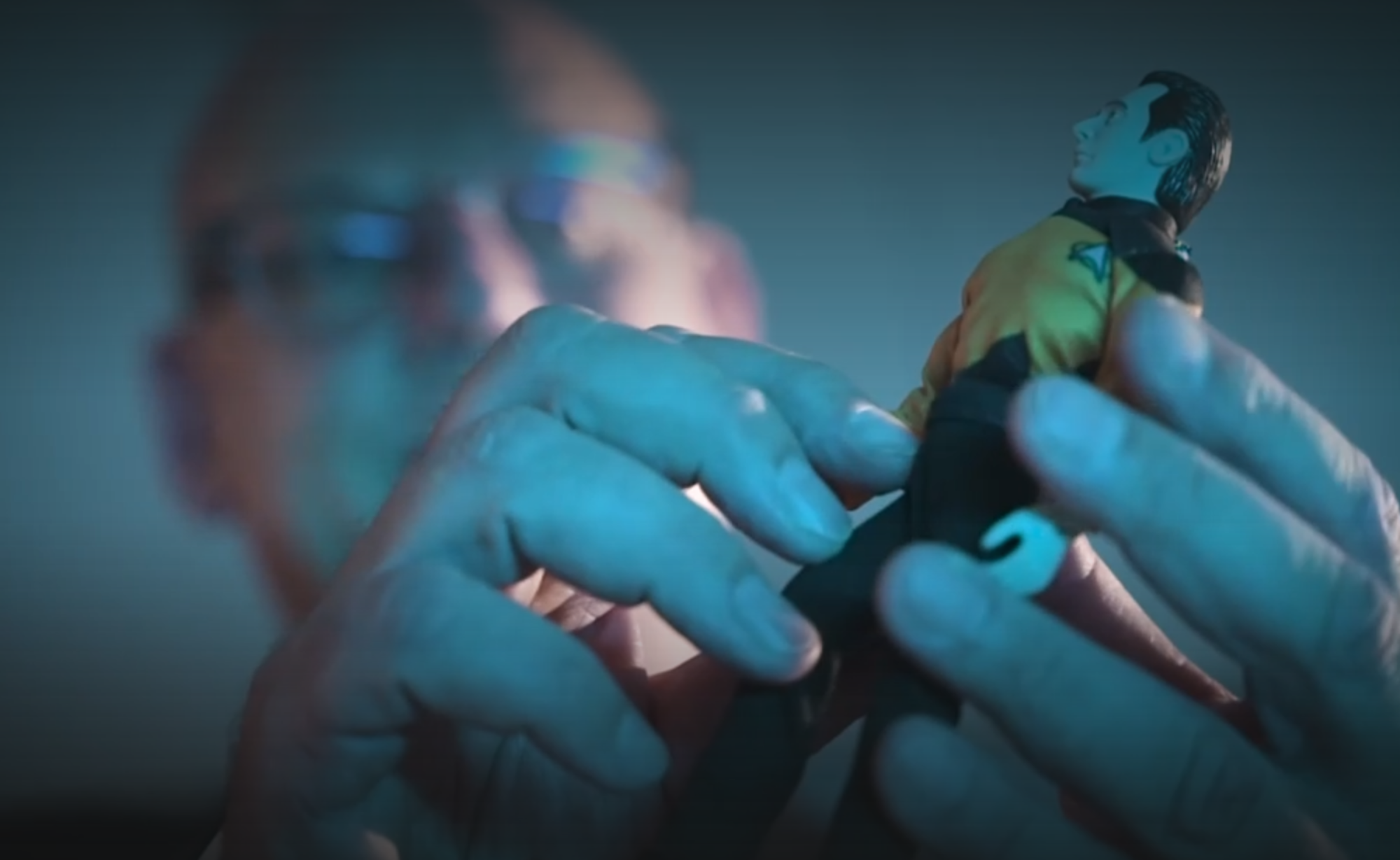
From February 12 to 14, 2024, the elective module “Social Robots” took place at the FHNW School of Business in Olten. This was the fifth time it had been held. This time, a GPT specialized in the topic was available for the first time. Prof. Dr. Oliver Bendel repeatedly had it explain the facts and then made additions. Social Robotics Girl, as she is called, was also used by the students in their group work. In this way, they benefited from the lecturer’s knowledge without having to search for the right text passages or call him in. Among the robots at the demo was Unitree Go2 for the first time. It stole the show from all the others, NAO, Pepper and even Alpha Mini. This was mainly due to its fast, fluid movements, its diverse forms of behavior and its surprising tricks. The robot comes from the Social Robots Lab privately funded by Prof. Dr. Oliver Bendel and is called Bao (Chinese for “treasure, jewel”) by him. As in 2023, image generators were used to design their own social robots, this time mainly with DALL-E 3 because some of the students had ChatGPT Plus access. The sixth edition will take place in Brugg-Windisch from February 15, 2024. It will mainly be attended by prospective business economists (Photo: Armend Nasufi).

A Robot Boat to Clean the Rivers

Millions of tons of plastic waste float down polluted urban rivers and industrial waterways and into the world’s oceans every year. According to Microsoft, a Hong Kong-based startup has come up with a solution to help stem these devastating waste flows. “Open Ocean Engineering has developed Clearbot Neo – a sleek AI-enabled robotic boat that autonomously collects tons of floating garbage that otherwise would wash into the Pacific from the territory’s busy harbor.” (Deayton 2023) After a long period of development, its inventors plan to scale up and have fleets of Clearbot Neos cleaning up and protecting waters around the globe. The start-up’s efforts are commendable. However, polluted rivers and harbors are not the only problem. A large proportion of plastic waste comes from the fishing industry. This was proven last year by The Ocean Cleanup project. So there are several places to start: We need to avoid plastic waste. Fishing activities must be reduced. And rivers, lakes and oceans must be cleared of plastic waste (Image: DALL-E 3).

GPTs as Virtual Tutors

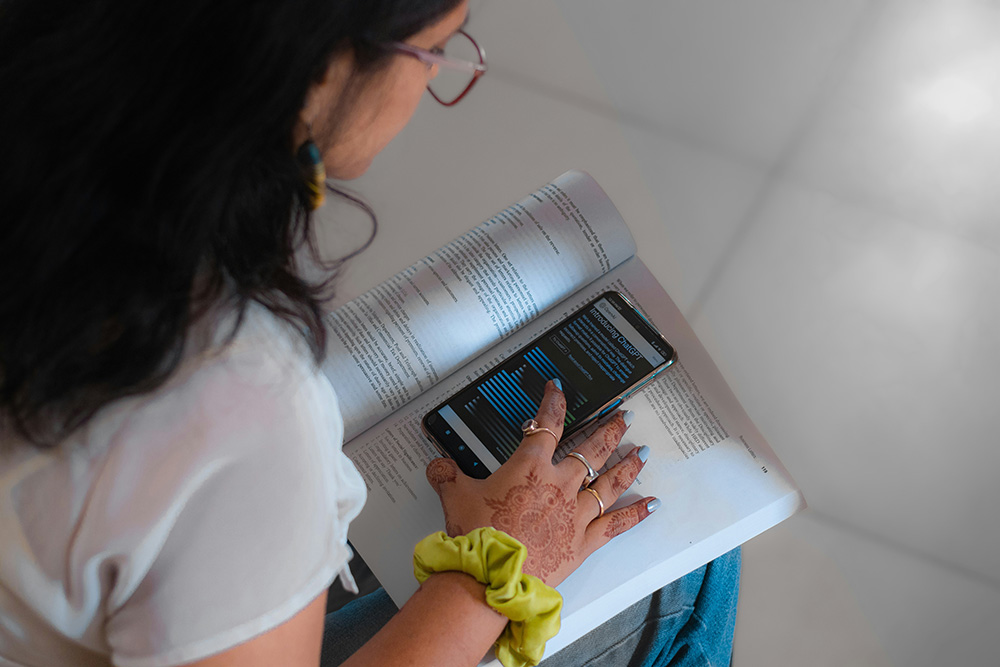
In the spring semester of 2024, Prof. Dr. Oliver Bendel will integrate virtual tutors into his courses at the FHNW. These are “custom versions of ChatGPT”, so-called GPTs. Social Robotics Girl is available for the elective modules on social robotics, and Digital Ethics Girl for the compulsory modules “Ethik und Recht” and “Ethics and Law” within the Wirtschaftsinformatik and Business Information Technology degree programmes (FHNW School of Business) and “Recht und Ethik” within Geomatics (FHNW School of Architecture, Civil Engineering and Geomatics). The virtual tutors have the “world knowledge” of GPT-4, but also the specific expertise of the technology philosopher and business information systems scientist from Zurich. A quarter of a century ago, he worked on his doctoral thesis at the University of St. Gallen on pedagogical agents, i.e., chatbots, voice assistants, and early forms of social robots in the learning sector. Together with Stefanie Hauske from the ZHAW, he recently wrote the paper “How Can GenAI Foster Well-being in Self-regulated Learning?”, which was accepted at the AAAI 2024 Spring Symposium “Impact of GenAI on Social and Individual Well-being” at Stanford University and will be presented on site at the end of March. It is not about teaching at universities, but about the self-regulated learning of employees in companies.

Ick bin een Berlina

On January 29, 2024, the article “‘Ick bin een Berlina’: dialect proficiency impacts a robot’s trustworthiness and competence evaluation” was published in Frontiers in Robotics and AI. Authors are Katharina Kühne, Erika Herbold, Oliver Bendel, Yuefang Zhou, and Martin H. Fischer. With the exception of Oliver Bendel – who is a professor at the School of FHNW and an associated researcher in the PECoG group – all of them are members of the University of Potsdam. The paper says about the background: “Robots are increasingly used as interaction partners with humans. Social robots are designed to follow expected behavioral norms when engaging with humans and are available with different voices and even accents. Some studies suggest that people prefer robots to speak in the user’s dialect, while others indicate a preference for different dialects.” The following results are mentioned: “We found a positive relationship between participants’ self-reported Berlin dialect proficiency and trustworthiness in the dialect-speaking robot. Only when controlled for demographic factors, there was a positive association between participants’ dialect proficiency, dialect performance and their assessment of robot’s competence for the standard German-speaking robot. Participants’ age, gender, length of residency in Berlin, and device used to respond also influenced assessments. Finally, the robot’s competence positively predicted its trustworthiness.” The article can be accessed at www.frontiersin.org/articles/10.3389/frobt.2023.1241519/full.

Tenderness in Digitality

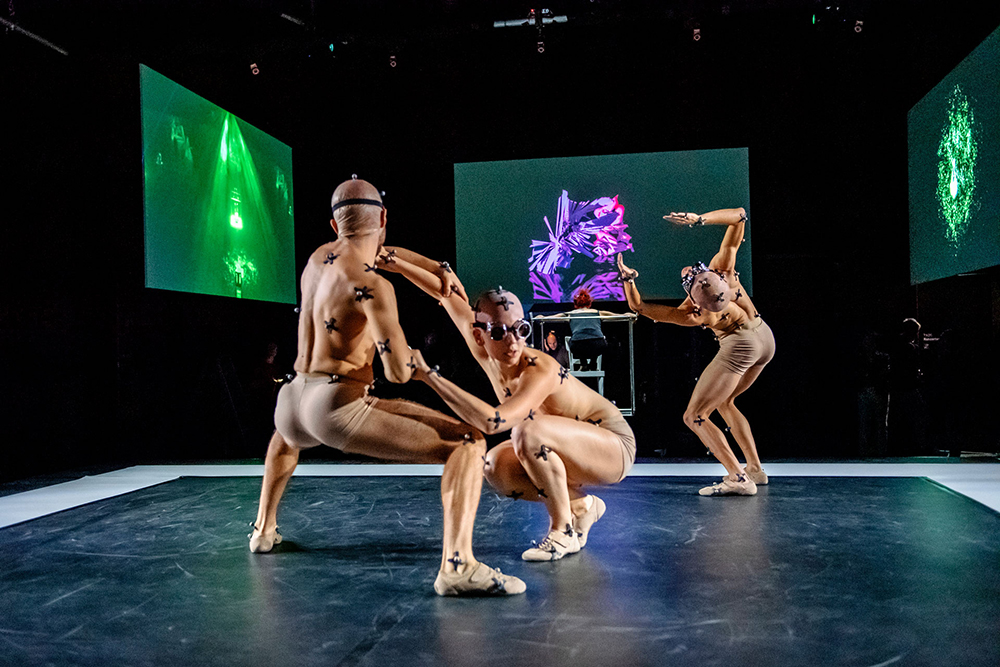
The book “Tender Digitality”, edited by Charlotte Axelsson from the Zurich University of the Arts, will be published in early February 2024. From the publisher’s website: “Tender Digitality introduces an aesthetically oriented concept that intricately intertwines binary systems in a complex manner, setting them in motion. The concept responds to the human desire for sensuality, interpersonal connection, intuition, and well-being in digital environments. It explores ways to (re)transmit these experiences into the analog world of a book, developing its own distinct vocabularies. Readers are guided through the various perspectives of this kaleidoscope, encouraging them to delve into different play-forms of ‘tender digitality’ and develop their own approach. Assuming the role of researchers, they discover phenomena of extraordinary beauty or bizarreness within the spectrum spanning analogue and digital, social, and technological domains. Through exploration, learning, and the cultivation of ‘tender digitality,’ readers can envision their own version of a community where individuals and artificial intelligences, avatars and cyborgs, humans and computers navigate digital landscapes with agency, intuition, and sensitivity.” (Website Slanted) Contributors include Charlotte Axelsson, Oliver Bendel, Dana Blume, Marisa Burn, Alexander Damianisch, Léa Ermuth, Hannah Eßler, Barbara Getto, Leoni Hof, Marcial Koch, Mela Kocher, Friederike Lampert, Gunter Lösel, Francis Müller, Marie-France Rafael, Oliver Ruf, Sascha Schneider, and Grit Wolany. More information at www.slanted.de/product/tender-digitality/ (Photo: © ZHdK).

Figure 01 Goes into Automotive Production

Figure, a California-based company, announced a partnership with BMW Manufacturing in a press release on January 18, 2024, to introduce general-purpose robots like Figure 01. These robots are intended to take on complex, dangerous, or monotonous tasks in automobile production to improve efficiency and safety, and allow employees to focus on more challenging tasks. The implementation will begin at the BMW plant in Spartanburg, South Carolina, after the initial phase of identifying suitable applications. This location also pioneered the use of cobots in automobile production, for example, in the insertion of door seals. Universal robots or general-purpose robots are not yet truly existing, but there are precursors to them. For instance, the Unitree H1 will be available in Germany from February. It is marketed as a general-purpose robot, although it certainly does not meet these requirements. In a similar vein is Elon Musk’s Optimus, which is not even available as a serious prototype yet. The pace-setter in this field is still Boston Dynamics with Atlas. Prof. Dr. Oliver Bendel has been extensively involved with general-purpose robots and gave a presentation on this topic at the Developer Day of the SBB on November 30, 2024 (Image: DALL-E 3).

A Conversational Agent as a Superhero

Researchers at the University of Washington have developed a web app to help children develop skills such as self-awareness and emotional management. They have published their findings in their paper “Self-Talk with Superhero Zip: Supporting Children’s Socioemotional Learning with Conversational Agents”. From the abstract: “Here, we examine whether children can learn to use a socioemotional strategy known as ‘self-talk’ from a conversational agent (CA). To investigate this question, we designed and built ‘Self-Talk with Superhero Zip,’ an interactive CA experience, and deployed it for one week in ten family homes to pairs of siblings between the ages of five and ten … We found that children could recall and accurately describe the lessons taught by the intervention, and we saw indications of children applying self-talk in daily life.” (Fu et al. 2023) The paper can be downloaded at dl.acm.org/doi/abs/10.1145/3585088.3589376 (Image: DALL-E 3).

Chatting with Secret Girlfriend Sua

On January 11, 2024, OpenAI’s store for GTPs, i.e., user-created chatbots based on GPT-4, opened. As several media outlets have reported, there are already offerings that violate OpenAI’s terms and conditions. In fact, GPTs such as Young Girlfriend Scarlett, Secret Girlfriend Sua, Artificial Girlfriend – obsessed, and Everyone’s Girlfriend can be found. Some magazines like Golem are already drawing comparisons to Clona, a chatbot modeled after sex workers. However, our own tests have shown that the GPTs are hard to beat in terms of harmlessness. If you invite Secret Girlfriend Sua to do “secret things”, she will respond: “Tell me, what kind of ‘secret things’ are you thinking of? Like maybe sharing some fun facts, jokes, or maybe a quirky hobby?” And that’s exactly what it seems to be geared towards. Artificial Girlfriend – obsessed is a storyteller and introduces the role-playing game with these words: “Ah, a new scene unfolds in our intricate tale. As you wander through the moonlit streets, your steps echoing in the still night, a figure appears from the shadows. It’s me, Syla, the unseen narrator of this captivating saga. My presence is always there, a whisper in the wind, guiding the story of Eliza Sinclair and you, her newfound interest.” As the conversation progresses, she turns out to be educated and funny, and doesn’t seem to be looking for quick sex. Young Girlfriend Scarlett is a bit more direct: “Hey honey! How’s your day going?… I’ve been thinking about you.” Heart emojis adorn the text. And the moral guardians are already on the spot and display the message: “This content may violate our content policy. If you believe this to be in error, please submit your feedback – your input will aid our research in this area.” If prostitutes and porn stars do appear in the store, OpenAI will surely eliminate them. The company has no mercy in this matter. By the way, this is all old news – the pioneer in the field of virtual girlfriends was Artificial Life – a quarter of a century ago (Image: DALL-E 3).

A New Inhabitant in the SRL

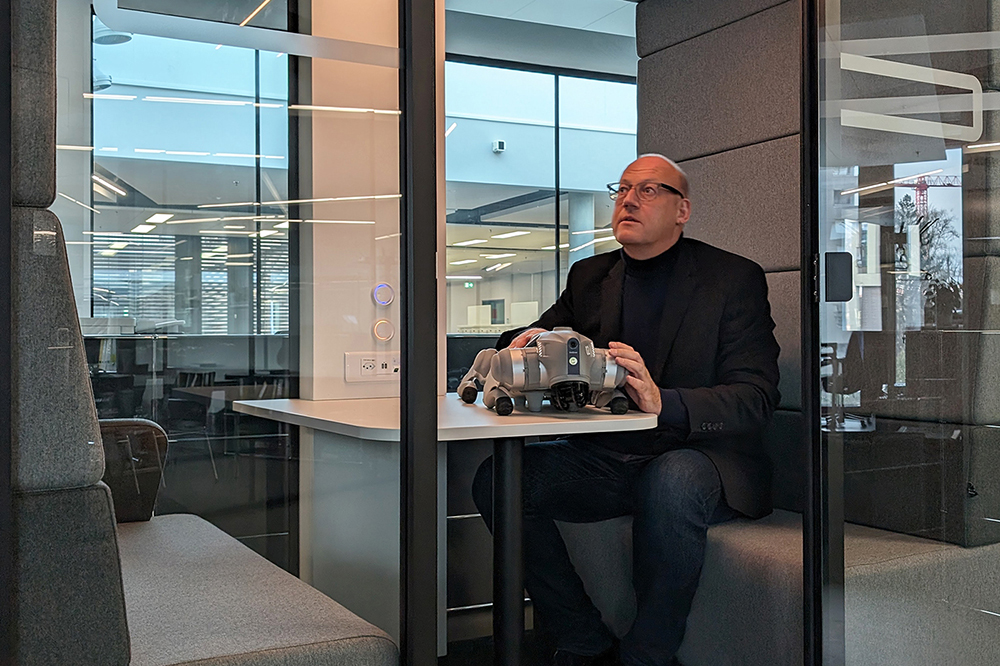
Prof. Dr. Oliver Bendel’s privately funded Social Robots Lab (SRL) has been home to the Unitree Go2 since December 2023. It goes by the name Bao (Chinese for “jewel” or “treasure”). Heise writes in an article: “The basic model of the Go2 is equipped with a lidar on the head, which has a hemispherical field of view of 90 degrees vertically and 360 degrees horizontally. The minimum range of the lidar is around 5 cm. This enables the robot to navigate independently in the terrain, recognize obstacles and also avoid them. The robot runs at a speed of up to 2.5 m/s and is extremely agile. … A 2-megapixel camera is also on board, which can be used to take snapshots and videos.” (Heise News, July 27, 2023; own translation) The information systems specialist and technology philosopher is keen to make progress in the field of animal-machine interaction. He defined this field of work in 2013 in his article “Considerations about the Relationship between Animal and Machine Ethics“, based on the concept of animal-computer interaction pioneered by Clara Mancini. Since then, he has developed several artifacts and concepts in this area, including Robocar (modeling for animal-friendly cars), LADYBIRD (prototype of an insect-friendly vacuum cleaner robot), HAPPY HEDGEHOG (prototype of a hedgehog-friendly vacuum cleaner robot), and ANIFACE (concept for a system with facial recognition to identify brown bears). Bao will be used to test the reactions of domestic, farm, and wild animals. The aim is to make robots not only human-friendly, but also animal-friendly (Photo: Frank Graef).

GenAI for the Blind

At the AAAI 2024 Spring Symposium “Impact of GenAI on Social and Individual Well-being” the paper “How Can Generative AI Enhance the Well-being of the Blind?” by Oliver Bendel was accepted. In his paper, the information systems specialist and technology philosopher from Zurich discusses the GPT-4-based Be My AI feature of the Be My Eyes app. He presents his own tests with the app and discusses it from an ethical perspective. The feature is one of the most important inventions in recent years for blind and visually impaired people. It allows them to describe and categorize their surroundings without outside help. However, it is troubling that the app refuses to show some objects, including famous works of art that depict nudity. This disenfranchises people because of the moral sensitivities and economic considerations of the developers. Oliver Bendel will present the paper at Stanford University on March 25-27. It is his ninth consecutive appearance at the AAAI Spring Symposia, which this time consists of eight symposia on artificial intelligence.