Extension of the Submission Deadline

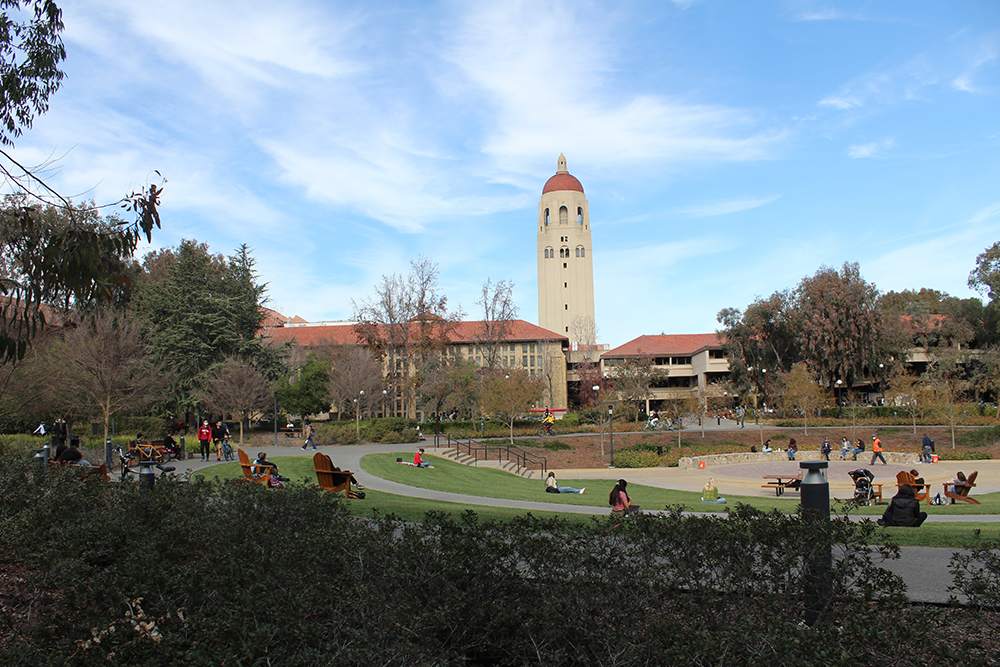
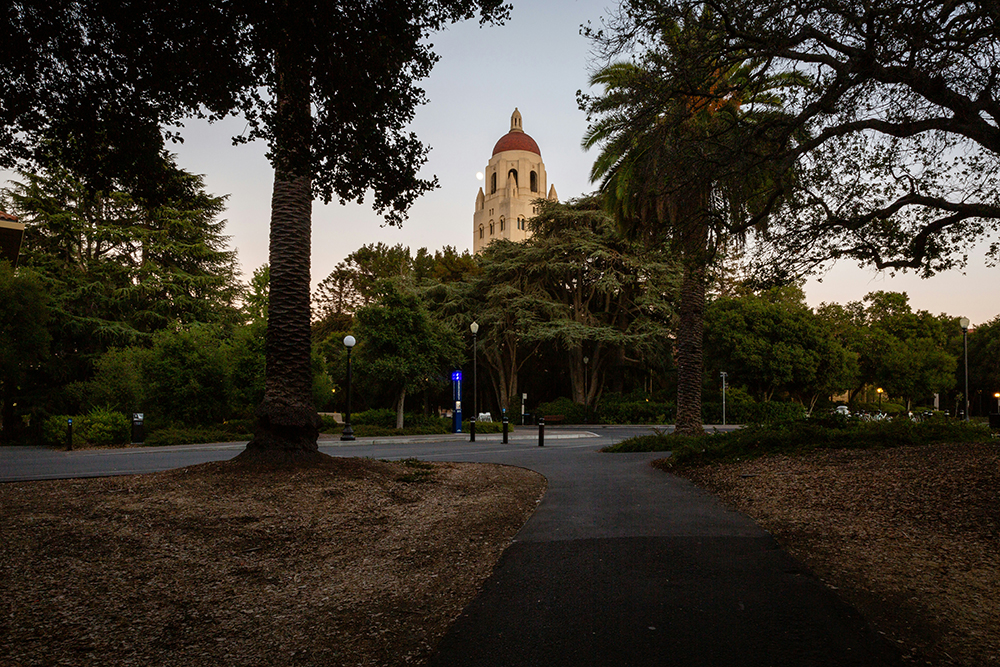
The Association for the Advancement of Artificial Intelligence (AAAI) is thrilled to host its 2024 Spring Symposium Series at Stanford University from March 25-27, 2024. With a diverse array of symposia, each hosting 40-75 participants, the event is a vibrant platform for exploring the frontiers of AI. Of the eight symposia, only three are highlighted here: Firstly, the “Bi-directionality in Human-AI Collaborative Systems” symposium promises to delve into the dynamic interactions between humans and AI, exploring how these collaborations can evolve and improve over time. Secondly, the “Impact of GenAI on Social and Individual Well-being” addresses the profound effects. of generative AI technologies on society and individual lives. Lastly, “Increasing Diversity in AI Education and Research” focuses on a crucial issue in the tech world: diversity. It aims to highlight and address the need for more inclusive approaches in AI education and research, promoting a more equitable and diverse future in the field. Each of these symposia offers unique insights and discussions, making the AAAI 2024 Spring Symposium Series a key event for those keen to stay at the cutting edge of AI development and its societal implications. Some symposia have extended the deadline for the submission of abstracts and papers to January 7 or even 12. More information is available at aaai.org/conference/spring-symposia/sss24/#ss01.

Zulu and Charlie at Zurich Airport

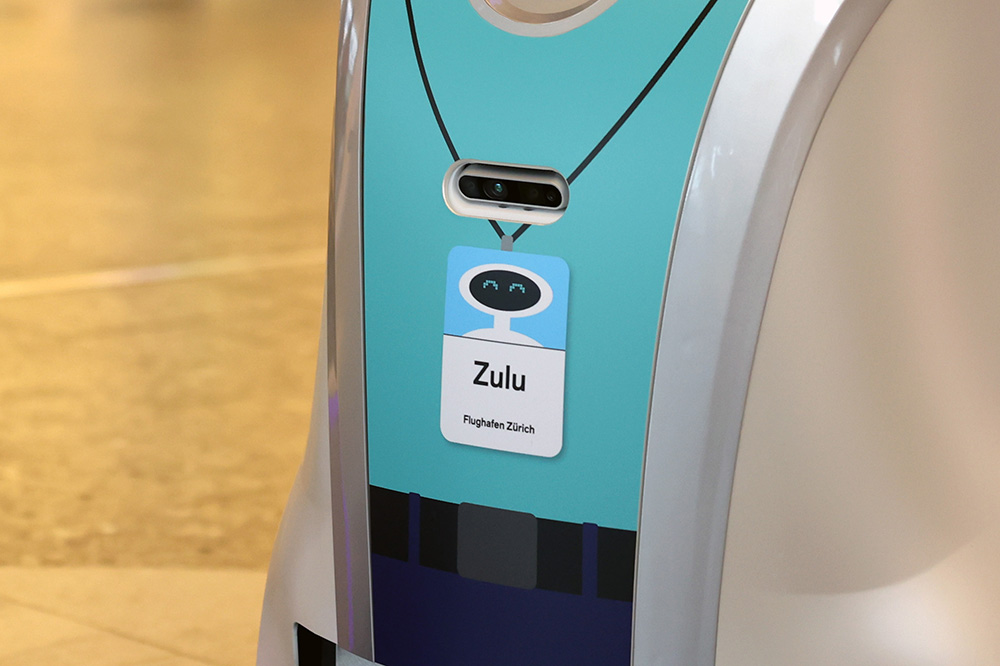
According to an announcement on December 14, 2023, Zurich Airport is adding Zulu and Charlie to its 300-strong building cleaning team for test purposes. The two service robots are from LionsBot, a Singapore-based company (www.lionsbot.com) and belong to the LEOBOTS. Oliver Bendel writes in the Gabler Wirtschaftslexikon: “Cleaning robots are (partially) autonomous service robots for cleaning surfaces, objects and water sources. They usually have a tangible design and resemble flat cylinders or cuboids. … There are hardly any approaches among the cleaning robots that would turn them into social robots. However, some can communicate with the owners or operators, either by means of text and images on the display or by spoken language.” (own translation) … According to Zurich Airport, Zulu and Charlie can do more than just clean areas. “They can also interact with passengers. If you scan the QR code on the device, you can select questions that the robot will answer.” (Zurich Airport, December 14, 2023) It goes on to say: “Zulu and Charlie have various sensors. These can recognize outlines, but do not create video footage. The test phase of the devices will run until mid-February. The robots are autonomous and will clean the areas on their own after a short initial phase.” (Zurich Airport, December 14, 2023) Further information is available at www.flughafen-zuerich.ch/newsroom/en/flughafen-zuerich-ag-relies-on-robot-support/ (Photo: Zurich Airport).

Project on the Potential of Be My AI

In a recent project, Prof. Dr. Oliver Bendel investigates the capabilities and limitations of the Be My AI feature of the Be My Eyes app. This development, based on GPT-4, is in the field of visual assistance for the blind and visually impaired. The study describes and evaluates Oliver Bendel’s own tests. Additionally, there is an ethical and social discussion. The study reveals the power of the tool, which can analyze still images in an astonishing way. Those affected gain new independence and a new perception of their environment. At the same time, they are dependent on the worldview and morality of the provider or developer, who dictates or withholds certain descriptions. Despite all the remaining weaknesses and errors, it is clear that a paradigm shift has occurred. The study’s outlook suggests that the analysis of moving images will be a significant advancement. It can be justifiably claimed that generative AI can fundamentally improve and change the situation of the blind and visually impaired in various ways. The project’s results will be published in the spring of 2024.

After the Social Robotics Conference

What can you do in Qatar after a conference on social robotics? So much that you might want to add a few days to your trip. It doesn’t just have to be camel riding, dune bashing, or the inland sea in the south. There is much more to do: 1. walk along the Corniche in Doha Old Town and admire the palm-frond street lamps and the wooden boats. 2. take a cab up the Corniche and marvel at the skyline of West Beach and Jeff Koons’ DUGONG. 3. hire a boat and go out into Doha Bay at night to see the skyscrapers light up and one of the drone fireworks displays. 4. visit the Souq Waqif in Doha Old Down and head to the restaurant Parisa, where you can try the delicious Veg Khorak. 5. visit the National Museum of Qatar and enjoy the light installation by Pipilotti Rist (until 30 April 2024) and lunch or dinner at vegan Thataltheen Café. 6. take a walk in South Hills Park and enjoy the view of the city from the highest point. 7. visit the sustainable inner-city district of Msheireb Downtown Doha and ride the tram. 8. take a chauffeur-driven jeep to the area southeast of Shagra and swim in the Persian Gulf. 9. take another jeep to the northwest of Qatar and admire the Al Zubarah Fort in the evening light. 10. go to B12 Beach Club Doha, the hippest beach club in town, where you can wear your Speedos and Brazilian bikini and enjoy a cocktail or a glass of wine (Photos: DUGONG, Parisa, and skyscrapers: Nihan Karataş; all others: Oliver Bendel).

Second Volume of ICSR Proceedings

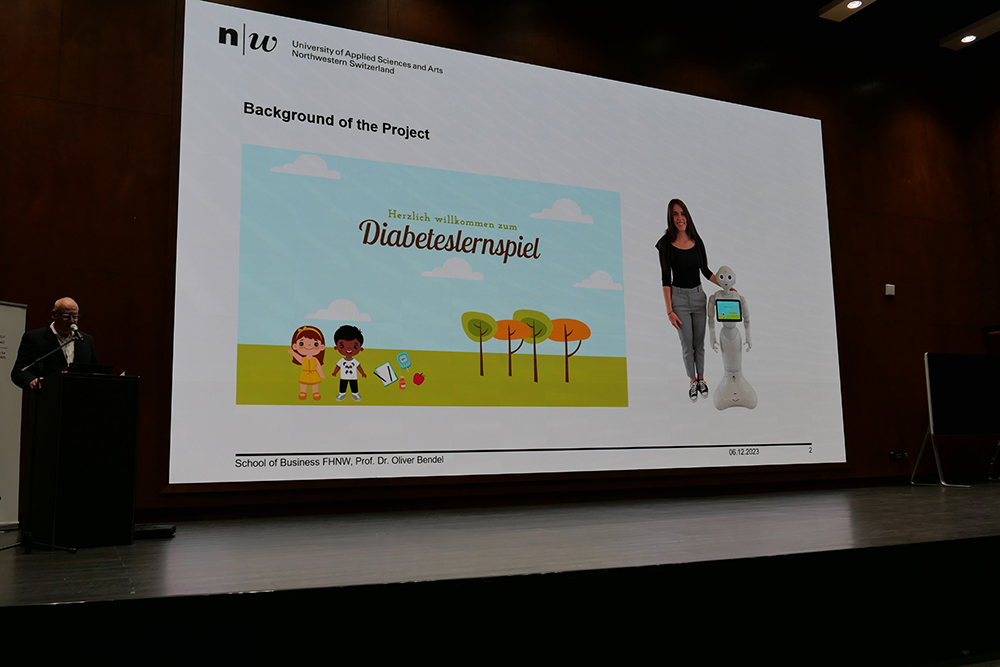
The proceedings of ICSR 2023 were published at the beginning of December 2023. The second volume contains the article “Pepper as a Learning Partner in a Children’s Hospital” by Sara Zarubica and Oliver Bendel. From the abstract: “Social robots are increasingly used in learning settings. So far, the main focus of this has been in school lessons and teaching at universities. Another possible setting is the children’s hospital. There, for example, young patients need to acquire basic knowledge about their disease so that they can deal with it appropriately. This should be done in a joyful, fun way, as the situation is stressful enough in itself, and so learning is also facilitated. The paper presents a learning application for diabetic children that runs on Pepper. This social robot was particularly well suited for this task because it has a large integrated touchscreen, similar to a tablet. A learning game is displayed on it that was developed especially for this setting. The children have to estimate the carbohydrate values of foods and meals or answer knowledge questions. The social robot gives verbal and gestural feedback in each case. The subjects responded overwhelmingly positively to the learning application. Pepper’s visible and audible feedback plays a special role in this. Social robots like Pepper are an interesting solution for knowledge transfer in a children’s hospital.” The volume can be downloaded or ordered via link.springer.com/book/10.1007/978-981-99-8715-3.

First Volume of ICSR Proceedings

The proceedings of ICSR 2023 were published at the beginning of December 2023. The first volume contains the article “Alpha Mini as a Learning Partner in the Classroom” by Oliver Bendel and Andrin Allemann. From the abstract: “Social robots such as NAO and Pepper are being used in some schools and universities. NAO is very agile and therefore entertaining. Pepper has the advantage that it has an integrated display where learning software of all kinds can be executed. One disadvantage of both is their high price. Schools can hardly afford such robots. This problem was the starting point for the project described here, which took place in 2023 at the School of Business FHNW. The aim was to create a learning application with an inexpensive social robot that has the same motor capabilities as NAO and the same knowledge transfer capabilities as Pepper. The small Alpha Mini from Ubtech was chosen. It was possible to connect it to an external device. This runs a learning game suitable for teaching at primary level. Alpha Mini provides explanations and feedback in each case. Three teachers tested the learning application, raised objections, and made suggestions for improvement. Social robots like Alpha Mini are an interesting solution for knowledge transfer in schools when they can communicate with other devices.” The volume can be downloaded or ordered via link.springer.com/book/10.1007/978-981-99-8715-3.

New Channel on Animal Law and Ethics

The new YouTube channel “GW Animal Law Program” went online at the end of November 2023. It collects lectures and recordings on animal law and ethics. Some of them are from the online event “Artificial Intelligence & Animals”, which took place on 16 September 2023. The speakers were Prof. Dr. Oliver Bendel (FHNW University of Applied Sciences Northwestern Switzerland), Yip Fai Tse (University Center for Human Values, Center for Information Technology Policy, Princeton University), and Sam Tucker (CEO VegCatalyst, AI-Powered Marketing, Melbourne). Other videos include “Tokitae, Reflections on a Life: Evolving Science & the Need for Better Laws” by Kathy Hessler, “Alternative Pathways for Challenging Corporate Humanewashing” by Brooke Dekolf, and “World Aquatic Animal Day 2023: Alternatives to the Use of Aquatic Animals” by Amy P. Wilson. In his talk, Oliver Bendel presents the basics and prototypes of animal-computer interaction and animal-machine interaction, including his own projects in the field of machine ethics. The YouTube channel can be accessed at www.youtube.com/@GWAnimalLawProgram/featured.

Talking with Social Robotics Girl

On November 6, 2023, OpenAI made so-called GPTs available to ChatGPT Plus users. According to the US company, anyone can easily create his or her own GPT without any programming knowledge. Initial tests have shown the performance of the new function. ChatGPT suggests a name for the chatbot, creates the profile picture and accepts documents with text and reference lists to expand its knowledge of the topic. The function is ideal for creating your own learning companions, modern educational agents so to speak. But you can also benefit from chatbots from other users and providers. A GPT called Social Robotics Girl, which provides information about social robotics, has been available since November 12, 2023. It was created by Prof. Dr. Oliver Bendel and is based on a collection of his articles on this topic. It can therefore give his definition of social robots and make classifications based on his five-dimension model. ChatGPT Plus users can access Social Robotics Girl via chat.openai.com/g/g-TbhZSZaer-social-robotics-girl (Image: DALL-E 3).

AAAI 2024 Spring Symposium Series

The Association for the Advancement of Artificial Intelligence (AAAI) is thrilled to host its 2024 Spring Symposium Series at Stanford University from March 25-27, 2024. With a diverse array of symposia, each hosting 40-75 participants, the event is a vibrant platform for exploring the frontiers of AI. Of the eight symposia, only three are highlighted here: Firstly, the “Bi-directionality in Human-AI Collaborative Systems” symposium promises to delve into the dynamic interactions between humans and AI, exploring how these collaborations can evolve and improve over time. Secondly, the “Impact of GenAI on Social and Individual Well-being” addresses the profound effects. of generative AI technologies on society and individual lives. Lastly, “Increasing Diversity in AI Education and Research” focuses on a crucial issue in the tech world: diversity. It aims to highlight and address the need for more inclusive approaches in AI education and research, promoting a more equitable and diverse future in the field. Each of these symposia offers unique insights and discussions, making the AAAI 2024 Spring Symposium Series a key event for those keen to stay at the cutting edge of AI development and its societal implications. More information is available at aaai.org/conference/spring-symposia/sss24/#ss01.

The First General-purpose Humanoid Robot

Starting from February 2024, the biped H1 from Unitree Robotics will be available at Generation Robots. It is “the most powerful and cost-effective humanoid robot on the market, measuring 1.80 meters, weighing 47 kilograms, and capable of walking at a speed of 5.5 km/h” (Generation Robots website). Until now, the Chinese company has been particularly noted for its quadrupeds, which are able to compete with the products of Boston Dynamics. Entry-level models like Go2 are unbeatably affordable, although it remains to be seen whether prices will increase after the initial surge. Unitree itself markets the H1 as the “First General-purpose Humanoid Robot”. The price is expected to be under 90,000 dollars. A video demonstrates how the robot moves confidently on two legs and remains stable even when attacked, without stumbling or falling (Image: DALL-E 3).