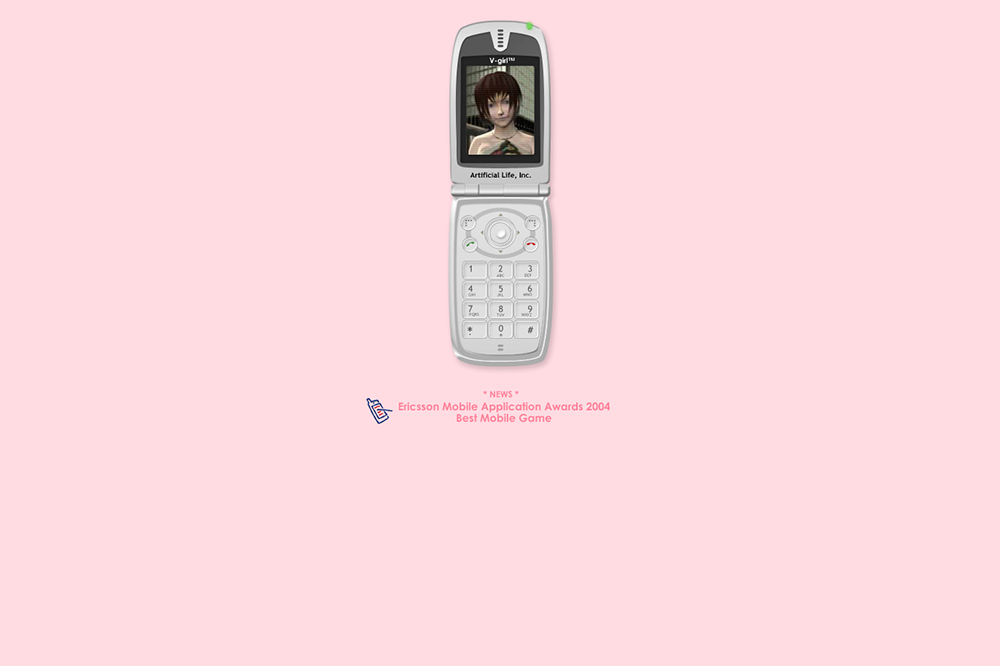
As early as 1966, Joseph Weizenbaum demonstrated with ELIZA that people tend to attribute human characteristics and even empathy to simple dialogue systems. In the early 1990s, Julia, a chatbot developed by Michael Mauldin, entered the scene. Julia operated in text-based multi-user dungeons (MUDs), communicated with people, and was mistaken by some for a human participant. Chatbots, also known as chatterbots, were also used early on in the German online community Spinchat (Spinchat.de, now Spin.de), which was founded in 1996. They relied on rules and keyword recognition, appeared under their own nicknames, such as Tanja, Max, or CyberGirl, and were not always immediately distinguishable from human users. Some also included the word “Bot” in their names, indicating their function, as in “QuizBot” or “AdminBot”. Their tasks were varied: They moderated chat rooms, removed users with offensive nicknames, for example, welcomed newcomers, told jokes, and initiated conversations on their own when a chat room became too quiet. Some users even opened private chat windows (known as “Dias”) to flirt with what they believed to be human conversation partners. Usually, after just a few messages, they realized they were interacting with a program whose responses were repetitive or did not fit the flow of the conversation. These encounters are particularly remarkable from today’s perspective. The bots were not merely technical tools; they participated in social interactions and could briefly attract attention, spark interest, or evoke affection. Parasocial interactions occurred in which people attributed human characteristics and intentions to artificial counterparts and became emotionally engaged with them. Unlike with ELIZA, users did not have to deliberately seek out a dialogue program for such interactions to occur. The bots were already part of the community and could take the initiative themselves. What is discussed today in connection with AI companions and language models integrated into social networks, such as Grok on X, therefore has a history stretching back several decades. What is new, above all, is the linguistic sophistication of these systems and their potential for personalization, not the phenomenon of people engaging in social and parasocial interactions with artificial conversation partners.
BY OLIVER BENDEL